
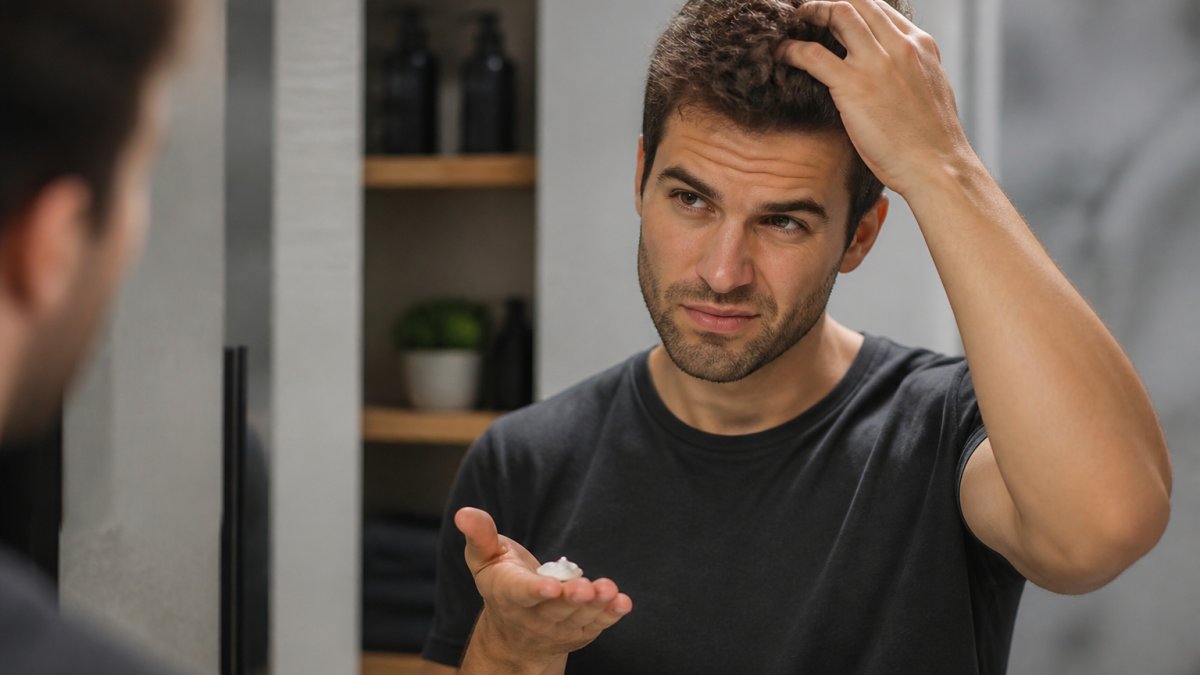
Last Updated: November 2, 2026
Quick Summary
Your hair feels sticky after styling cream because too much product, poor rinsing, or a mismatched formula leaves residue on the hair shaft. The fix is rarely a new product: use a smaller amount, apply to damp hair and keep it off the roots, then do a reset wash with clarifying shampoo.
- A pea-sized amount of styling cream is enough for short hair; dime-sized covers medium length.
- Apply styling cream to damp, towel-dried hair, not bone-dry or sopping-wet hair.
- Keep cream off the scalp so it doesn't mix with scalp oil and turn greasy.
- Rinse until the water runs clear, then rinse another 15 seconds to remove residue.
- Clarifying more than twice a week can strip the scalp and trigger more oil production.
Table of Contents
- Why Your Hair Feels Sticky After Styling Cream
- How Much Styling Cream to Use (and Why Less Is More)
- Styling Cream on Wet or Dry Hair: Getting Application Right
- Styling Cream Buildup: How to Spot It and Clear It
- How to Remove Styling Cream From Hair: A Step-by-Step Reset
- Matching Your Styling Cream to Your Hair Type
- Shop Gentlemen Republic Styling Creams That Wash Out Clean
- Frequently Asked Questions
Why Your Hair Feels Sticky After Styling Cream
Your hair feels sticky after styling cream because too much product, poor rinsing, or a mismatched formula leaves residue on the hair shaft.
Sticky hair is a residue problem, not a hair problem. Styling cream is a leave-in product. Whatever doesn't absorb sits on the cuticle.
Here's the good news: the fix takes one wash and a change in habit.
How Much Styling Cream to Use (and Why Less Is More)
A pea-sized amount is enough for short hair. Dime-sized covers medium length. Anything more sits on the surface and turns sticky within hours.
The right amount depends on three things:
- Hair length: short hair needs less, longer hair needs more
- Hair texture: fine hair absorbs quickly and shows excess fast
- Hold level: a strong-hold cream needs less volume than a light one
Start with less than you think you need. You can always add more. You cannot remove product once it's in.
A common mistake is scooping a full fingertip and working it through. That amount works for thick, coarse hair only.
Styling Cream on Wet or Dry Hair: Getting Application Right
Styling cream works best on damp, towel-dried hair. Bone-dry hair makes the cream sit on top.
Here's the sequence we recommend:
- Shampoo and rinse thoroughly
- Towel-dry until hair is damp, not dripping
- Scoop a small amount and rub between palms
- Work from back to front, avoiding the roots
- Shape and let it set
Product placement matters as much as amount. Keep cream off the scalp. Roots coated in product mix with scalp oil and turn greasy by midday.
If you apply to dry hair, use even less. Dry hair grabs product fast, and a little goes a long way.
Styling Cream Buildup: How to Spot It and Clear It
Buildup shows up before it becomes a problem. Watch for these signs:
- Hair feels waxy or tacky hours after styling
- Roots look greasy even after washing
- A sticky brush residue builds up on combs
If you spot two or more of these, you likely have product buildup. For more on keeping styling products from getting oily, see our dedicated guide. The cause is usually incomplete rinsing or layering cream over old product. Water-based creams wash out clean, but only if you actually rinse them out.
Is It Styling Cream, Scalp Oil, Hard Water, or Damage?
Sticky hair after styling cream is not always a styling-cream problem. Before you blame the product, run this quick symptom check. Each cause has a different fix, and treating the wrong one wastes time and product.
| What you notice | Most likely cause | What to do |
|---|---|---|
| Tacky or waxy feel that starts within an hour of applying cream, worse at the roots and back of the head | Styling cream residue from too much product or application to the scalp | Use less cream, keep it off the roots, and do the reset wash below |
| Greasy roots by midday but ends feel normal or dry | Scalp oil mixing with leave-in product | Shampoo the scalp thoroughly, condition ends only, and skip cream at the roots |
| Stiff, dull film that appears after washing and feels chalky when dry | Hard-water mineral residue | Use a clarifying shampoo once a week and rinse longer |
| Sticky only in certain spots, often where hair is thickest or at the nape | Incomplete drying or trapped moisture under product | Towel-dry more thoroughly before applying cream and blow-dry on low heat |
| Rough, porous-feeling hair that grabs product and turns tacky fast | Raised cuticle from heat, color, or mechanical damage | Add a leave-in conditioner or bond-building treatment before styling |
If your roots turn greasy within hours of washing, scalp oil may be part of the problem alongside the cream.
Why Styling Cream Specifically Leaves Residue
Leave-in styling creams are generally water-based emulsions that combine oils, waxes, and film-formers. The water evaporates, and the film-formers and emollients stay on the cuticle to give hold and shine. On smooth, low-porosity hair, that film sits on top and feels tacky if you use too much.
That is why the reset routine below matters more than the shampoo label.
Clear It Without Over-Washing
You can use a clarifying shampoo periodically to remove residue. If you clarify more than twice a week, you risk stripping the scalp and triggering more oil production, which makes the sticky feel worse. The goal is to remove the film, not to strip the hair.
If your hair still feels coated after a normal wash, move to the step-by-step reset in the next section before you buy a new product.
How to Remove Styling Cream From Hair: A Step-by-Step Reset
Removing styling cream takes one thorough wash with the right technique. Follow this reset routine when hair feels gunky or waxy.
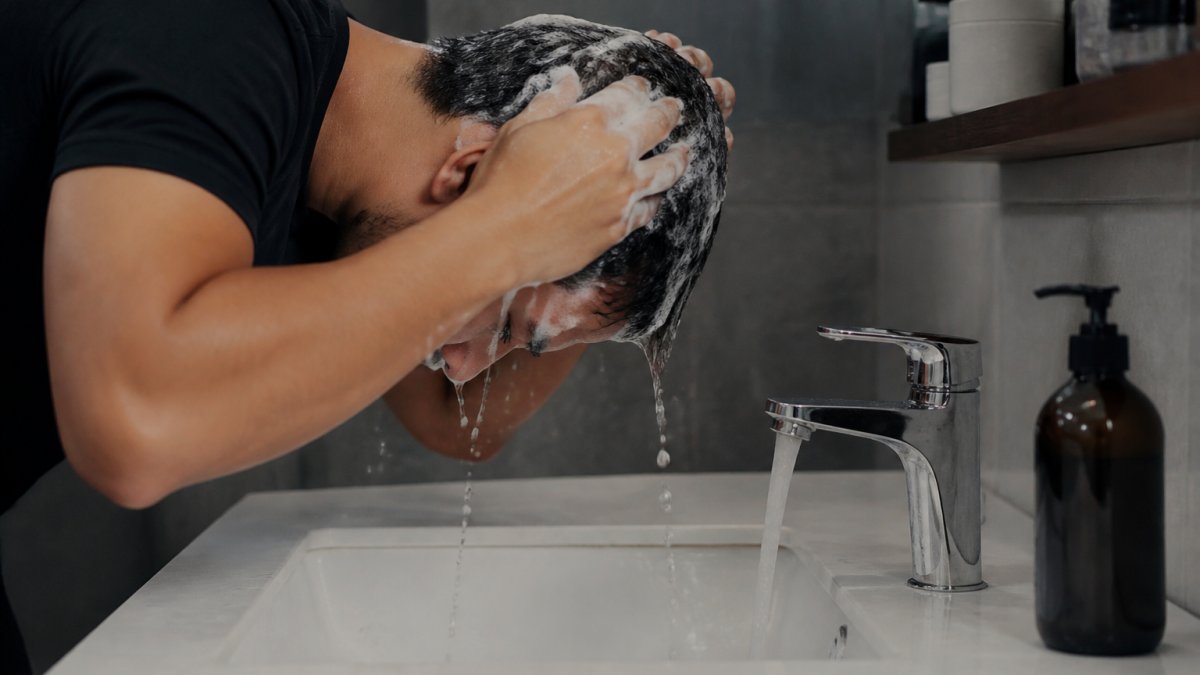
- Rinse with warm water for 60 seconds to loosen product. Warm, not hot, hot water swells the cuticle and can push residue deeper.
- Apply clarifying shampoo and massage the scalp, not just the ends. Use your fingertips, not nails, and work in sections.
- Let it sit for one minute so surfactants break down the film-formers and oils.
- Rinse until the water runs clear, then rinse another 15 seconds. Product hides near the roots and at the back of the head.
- Repeat once if hair still feels coated. A second lather is normal after heavy cream use.
- Follow with conditioner on the ends only. Keep it off the scalp so you don't reintroduce a coating at the roots.
- Air dry or blow-dry on low heat. High heat can bake residue onto the cuticle and make the tacky feel return faster.
Do this reset once a week, or anytime hair feels sticky. It restores volume and removes the waxy feel fast.
Styling-Cream-Specific Troubleshooting
Most sticky-hair advice online is about washing, not about what happens right after you apply cream. If the stickiness starts within minutes of styling, the problem is application, not cleansing. Check these three points before your next wash:
- You applied to hair that was too wet. Sopping-wet hair dilutes the cream and drives it into the roots, where it mixes with scalp oil. Towel-dry to damp, not dripping, before you scoop.
- You didn't emulsify. Warming the cream between your palms until it turns translucent spreads it thinner and more evenly. A cold dollop sits in one spot and feels tacky there.
- You used a rich formula on fine or low-density hair. Fine hair has less surface area to absorb emollients, so a heavy cream leaves a film fast. A lighter, water-based cream or a smaller amount of the same product fixes it without a new purchase.
A quick strand test: apply a pea-sized amount to one small section at the back of your head, style it, and wait an hour. If that section feels tacky, the amount or formula is wrong. If it feels clean, your full-head application is the issue, usually too much product or too close to the roots.
Prevention: Change One Variable at a Time
Sticky hair usually comes back if you only wash and don't change the routine. Use this order to isolate the cause without guessing:
- Halve the amount for one week. If stickiness drops, you found the main cause.
- Move application off the roots for one week. Keep cream on mid-lengths and ends.
- Switch to damp application if you were applying to dry hair, or to dry if you were applying to wet.
- Try a lighter formula only after the first three steps. A water-based cream with low wax content rinses cleaner on fine hair.
- Clarify once a week and note whether the sticky feel returns faster after heavy product days.
If you have worked through these steps and your hair still feels coated, the cause may be hard water or damaged cuticles rather than the cream. In that case, a chelating shampoo or a bond-building treatment is the next thing to test, not another styling product.
Matching Your Styling Cream to Your Hair Type
The right styling cream depends on your hair type, not the label. Fine hair needs a lightweight formula. Thick or coarse hair can handle more hold. Curly and textured hair needs something that won't weigh down the curl pattern.
Here's how to match:
- Fine or thin hair: light hold, water-based, low residue
- Medium hair: medium hold and medium shine
- Thick or coarse hair: stronger hold, still water-soluble
A formula mismatch is a top cause of sticky hair. For a wider look at cuts, products, and routines by hair type, see our men's hair styling guide. If you're weighing cream against other stylers, our matte paste vs pomade comparison breaks down which finish suits which hair.
Shop Gentlemen Republic Styling Creams That Wash Out Clean
The cleanest fix for sticky hair is a water-based cream that rinses out fully.
For most men, the Matte Hair Paste is the everyday pick. It gives strong hold with a matte finish and works on all hair types.
The pastes in this lineup are water-based, made in the U.S.A., and beeswax-free.
View the Classic Hair Pomade or shop the Matte Hair Paste to build a routine that washes out clean.


Frequently Asked Questions
Can using too much styling cream make hair feel greasy or waxy?
Yes. Styling cream is concentrated, and a pea-to-dime-size scoop is enough for most short to medium styles. When you apply more than your hair can absorb, the excess sits on the surface and mixes with scalp oil, which reads as greasy or waxy. Start with a small amount, rub it between your palms until it disappears, and add more only if the hold falls short. Water-based formulas like Gentlemen Republic's pastes wash out easily, so a heavy hand is easy to correct at the next wash.
How do you get styling cream out of sticky hair?
Rinse with warm water first, then shampoo twice: once to lift the product and once to clean the scalp. Use a clarifying shampoo once a week if residue keeps returning, and work it through the roots and lengths with your fingertips rather than scrubbing with your nails. Gentlemen Republic's water-based pastes are designed to rinse clean, which makes the removal step simpler.
Should you apply styling cream to wet, damp, or dry hair?
It depends on the finish you want. Applying to damp hair helps the cream spread evenly and gives a softer, more natural result. Applying to dry hair gives more control and stronger texture, which suits matte pastes and textured crops. Avoid soaking-wet hair, because water dilutes the product and pushes you to use more than you need. Whichever route you choose, use less product than you think and build up gradually.
How can you tell whether styling cream is right for your hair type?
Fine hair usually does best with lightweight, water-based formulas and small amounts, since heavy creams weigh it down and leave a waxy feel. Thick or curly hair can handle more product and benefits from a cream that spreads through the lengths. If your hair feels sticky after washing, that is a sign of buildup rather than the wrong product alone. Test one formula at a time and adjust the amount before deciding the cream is a mismatch.
Sticky hair after styling cream is a fixable habit problem, not a reason to give up on cream. Use less, apply to damp hair, keep it off the roots, and reset with a clarifying wash once a week. Gentlemen Republic makes water-based styling creams that rinse out clean, so you get dependable hold without the waxy buildup. Get started with Gentlemen Republic and style with confidence every day.


Share:
Can Hair Gel Really Last All Day Without Failing?