
Last Updated: November 4, 2026
Quick Summary
An expensive hair pomade is worth it when it delivers a water-soluble base, no beeswax, and a hold rating that matches your hair, because cost per use is what decides value, not sticker price. It is not worth it when you pay extra for fragrance and packaging alone.
- Divide tub price by styling sessions to get cost per use, the number that decides value.
- A $22.00 4 oz tub works out to roughly $0.19 per session at 1 gram per use.
- Check the first five ingredients: three or more functional ones signals a performance formula.
- Water-based pomade washes out with water alone and suits fine hair better than oil-based.
- Start with one 4 oz tub matching your hair type before buying a full lineup.
Table of Contents
- What You Actually Pay For in a Premium Pomade
- Why Is Hair Pomade So Expensive? Breaking Down the Price
- Water-Based vs. Oil-Based Pomade: Which Earns Its Price
- Pomade vs. Paste vs. Clay: Matching the Product to the Job
- Hold, Finish, and Washability: What Premium Buys You
- The Best Pomade for Fine Hair and Other Hair Types
- Scalp Health and Long-Term Dermatological Impact
- Choosing the Right Pomade for Your Routine
- Frequently Asked Questions
What You Actually Pay For in a Premium Pomade
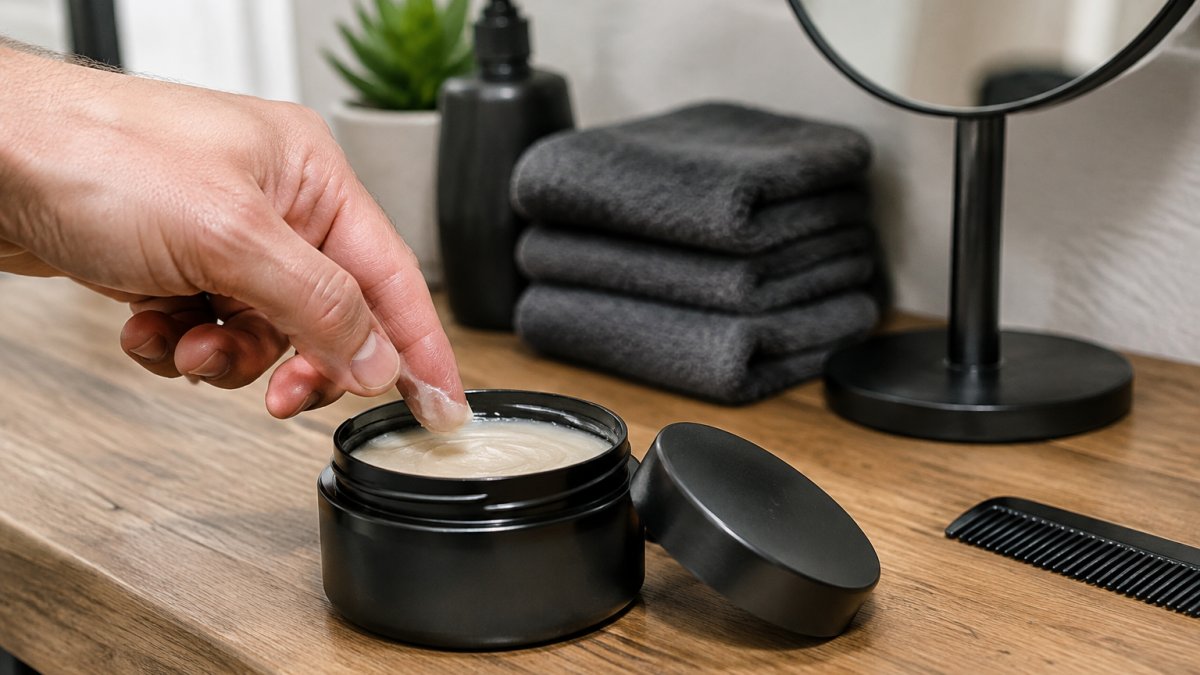
An expensive hair pomade is a styling product priced above drugstore range, typically because of its ingredient base, hold performance, and how cleanly it washes out. The question of whether expensive hair pomade is worth it comes down to cost per use, not sticker price. At Gentlemen Republic, we build water-based pomades designed with real-world knowledge from barbers and stylists. Below, we break down the real cost per styling session, the ingredients that earn their price, and the ones that are just filler.
The short answer: premium pomade is worth it when you get a water-soluble base, no beeswax, and a hold rating that matches your hair. It is not worth it when you pay extra for fragrance and packaging alone.
Why Is Hair Pomade So Expensive? Breaking Down the Price
Hair pomade costs more than gel or drugstore wax because the formulation does more work. A quality pomade has to hold shape all day, stay pliable enough to restyle, and rinse out without residue. Those three jobs pull against each other, and getting them to coexist takes better raw materials, tighter emulsification, and more consistent batch control.
The rest of the gap is either performance you can feel or marketing you cannot verify, and the only way to tell them apart is to run the numbers and read the label.
Cost Per Use: The Number That Actually Matters
Sticker price tells you what you pay once. Cost per use tells you what you pay every time you style, and that is the number that decides whether premium is worth it.
The formula is simple: divide the tub price by the number of styling sessions you get from it. Session count depends on scoop size, and scoop size depends on hair length and density.
Run that against a 4 oz tub, which holds about 113 grams. At 1 gram per session, a 4 oz tub delivers roughly 113 sessions. At 0.5 grams, it delivers roughly 226.
Now apply price. A 4 oz tub of Gentlemen Republic Classic Hair Pomade runs $22.00. At 113 sessions, that is about $0.19 per styling session. At 226 sessions, about $0.10. At 56 sessions, about $0.39.
That is the comparison to make, not the shelf price. Cost-effectiveness lives in the tub, not on the receipt.
Watch out: scoop size is the variable most people get wrong.
Ingredient Transparency and Filler Identification
Read the ingredient list before you pay premium prices, and read it in order. Ingredients are listed by weight, so the first five names tell you what the product mostly is.
A water-based pomade's working core looks like this: water first, then an emulsifier such as ceteareth-25, then a humectant such as glycerin, then a hold agent such as hydrogenated castor oil or a PVP-based polymer. Those ingredients emulsify the product, carry hold, and let it rinse out.
Fillers show up in three patterns. First, long fragrance and dye lists near the top of the label, which add scent and color without adding performance. Second, cheap waxes such as beeswax or microcrystalline wax used as bulk, which add weight and shine but resist water rinsing. Third, a short ingredient list that hides behind "fragrance" as a catch-all, which legally can cover dozens of undeclared compounds.
Our Classic Pomade lists no artificial colors and no beeswax, and the full ingredient list sits on the product page where you can check it yourself. If a brand hides its list or buries the actives under wax and perfume, that is your answer about where the premium is going.
A practical label test: count how many of the first five ingredients are functional (water, emulsifier, humectant, hold agent) versus cosmetic (fragrance, dye, wax). Three or more functional ingredients in the top five is a formula built for performance. Two or fewer is a formula built for the shelf.
Water-Based vs. Oil-Based Pomade: Which Earns Its Price
Water-based pomade earns its price for most people. It washes out with water alone, leaves no greasy residue, and lets you restyle through the day without product buildup. Oil-based pomade holds longer in humidity and gives a classic high shine, but it takes shampoo and patience to remove.
For fine hair, water-based wins clearly. Oil-based products weigh strands down and flatten volume. For thick, coarse hair that resists hold, an oil-based formula can be the better call. The trade-off is washability, and that is a daily cost you feel.
Oil based vs water based pomade covers the full comparison if you are still deciding which base suits your hair.
Pomade vs. Paste vs. Clay: Matching the Product to the Job
Pomade delivers shine and flexible hold, which suits slick backs, pompadours, and polished greaser styles. Paste sits between pomade and clay: strong hold, low shine, and enough pliability to restyle. Clay gives the driest matte finish and the most texture, ideal for short crops and messy styles.
Matching the product to the job matters more than the price tag. A premium clay used on a slick back will fight you all morning. A cheap pomade used on a textured crop will clump and flake. Pick the finish first, then the price tier.
Pomade vs clay vs paste vs gel breaks down all four categories side by side.
Hold, Finish, and Washability: What Premium Buys You
Premium buys you a hold rating you can trust. Our lineup runs from a 5/10 medium hold on the Classic to an 8/10 superior hold on the Matte and Sleek pastes, so you can match the number to your hair density instead of guessing.
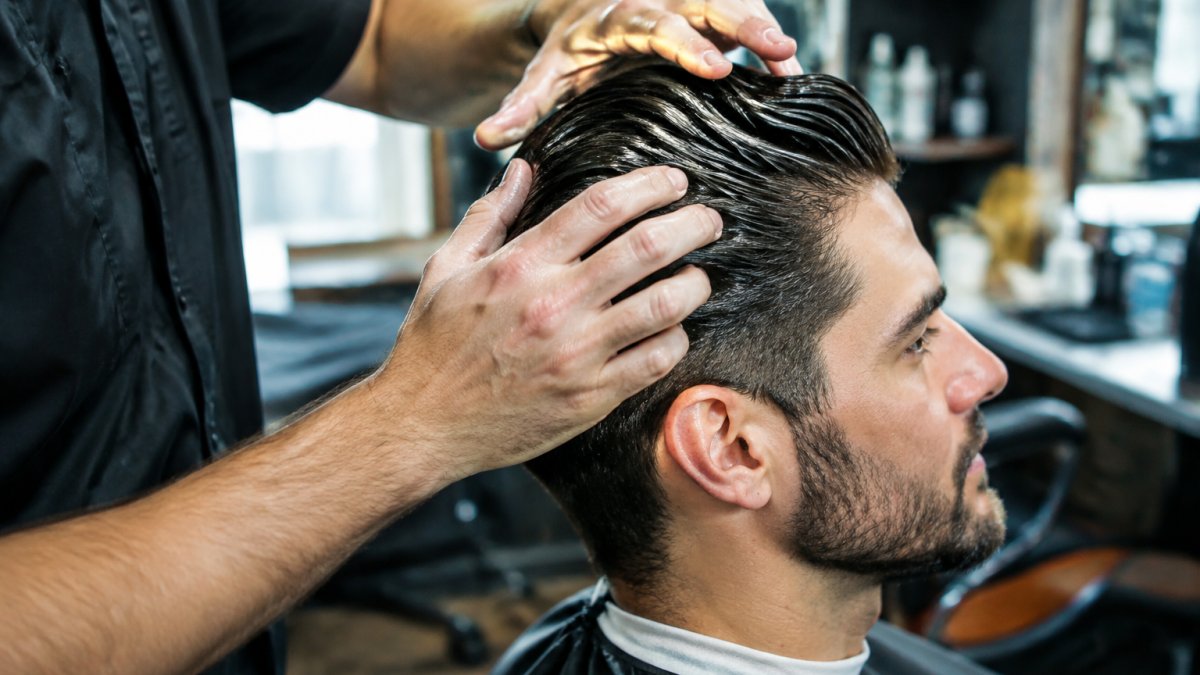
Finish is the second thing you pay for. High shine reads formal and polished; matte finish reads modern and natural. Washability is the third. Every Gentlemen Republic pomade is water-soluble with no beeswax, so it rinses clean without flaking or residue. That combination is where budget products usually fall short: they hold, but they leave buildup behind.
The Best Pomade for Fine Hair and Other Hair Types
The best pomade for fine hair is a water-based formula with medium hold and medium shine, because it adds volume without weighing strands down. Our Classic Hair Pomade is built for thin to medium hair and holds any style without sacrificing flexibility.
Thick hair needs the opposite: a stiff hold that resists gravity and humidity. The Stiff Hair Pomade is designed for thick hair with a high hold and high shine. For textured or curly hair, the Matte Hair Paste works on all hair types and defines curls without stiffness. If you want to try the full range before committing, the Hair Pomade Combo bundles all four 4 oz pomades for $88.00.
The best professional hair pomade for thick hair goes deeper on high-density hair if that is your situation.
Scalp Health and Long-Term Dermatological Impact
Scalp health comes down to what stays on your head after styling, and how long it stays there.
Sebum, dead skin cells, and styling product share the same follicle opening.
The Ingredients to Screen For on Sensitive Skin
If your scalp reacts easily, the label is your first defense. Three categories deserve a closer look.
First, dyes. Artificial colors such as FD&C or D&C pigments add no styling performance and are a common contact-irritant category. A formula that skips them removes one variable.
Second, fragrance. "Fragrance" or "parfum" on a label can legally stand in for a long list of undeclared compounds, and fragrance mix is one of the most frequently reported causes of contact dermatitis in cosmetic products. A strongly scented pomade is not automatically a problem, but it is the first thing to drop if your scalp reacts.
Third, heavy waxes and oils. Beeswax, microcrystalline wax, and petrolatum-based carriers resist water rinsing, which is exactly why oil-based pomades hold in humidity. The trade-off is longer scalp contact and more thorough shampooing required to clear them.
Our Classic Pomade and Stiff Hair Pomade list no artificial colors and no beeswax, and the full ingredient lists are on each product page.
A Practical Patch-Test and Wash-Out Routine
A common pattern among people with sensitive scalps is to change three products at once and then guess which one caused the reaction. Test one variable at a time.
Apply a small amount of the new pomade to the inside of your forearm and leave it for 24 hours before putting it anywhere near your hairline.
On the wash-out side, water-soluble pomades rinse with water alone, but a once-weekly clarifying wash with a shampoo containing a mild surfactant clears any cumulative film. If you use an oil-based pomade, shampoo thoroughly every time rather than rinsing and hoping, because the residue does not break down on its own.
Watch out: persistent itching, redness, or flaking that does not clear after you stop the product is a reason to see a dermatologist, not a reason to switch brands again. Product reactions usually settle within days of removal; anything longer deserves a professional look.
Does pomade cause hair loss addresses the dermatological questions directly.
Choosing the Right Pomade for Your Routine
Start with your hair type, then your finish, then your hold. Fine hair wants medium hold and medium shine. Thick hair wants stiff hold. Textured styles want matte. Daily wearers should prioritize washability; occasional users can tolerate a heavier oil base.
| Routine | Product | Hold | Shine | Price |
|---|---|---|---|---|
| Fine or thin hair, daily | Classic Hair Pomade | 5/10 | Medium | $22.00 |
| Thick hair, all-day control | Stiff Hair Pomade | High | High | $22.00 |
| Textured crops, natural look | Matte Hair Paste | 8/10 | Matte | $22.00 |
| Polished, high-shine styles | Sleek Hair Paste | 8/10 | High | $22.00 |
| Trying the full range | Hair Pomade Combo | Varies | Varies | $88.00 |
Watch out: buying a full lineup before testing one tub is the most common way people waste money on premium pomade. Start with a single 4 oz product that matches your hair type.
Classic hair pomade is the natural starting point for most routines.

The real test of an expensive hair pomade is whether it holds through your day and rinses out clean, session after session. Gentlemen Republic builds water-based pomades with no beeswax and hold ratings listed on the product pages, so you know what you are buying. Start with the Classic for fine hair, the Stiff for thick hair, or the Matte for texture, and let the cost per use make the case. Get started with Gentlemen Republic and find the pomade that earns its place in your routine.
Frequently Asked Questions
Why is hair pomade so expensive?
The Gentlemen Republic Classic Hair Pomade is $22.00 for 4 oz.
Is expensive hair pomade worth it for fine hair?
For fine hair, the best pomade for fine hair is one with medium hold and no heavy residue that weighs strands down. Gentlemen Republic Classic Pomade offers a 5/10 hold and medium shine, built for thin to medium hair, and it creates volume without stiffness.
Is pomade good or bad for your hair?
Pomade is neither inherently good nor bad. Gentlemen Republic's Classic, Matte, Sleek, and Stiff pomades are water-based and listed as water-soluble.
Can I use hair pomade every day?
Yes, provided you wash it out each night. Gentlemen Republic pomades are water-soluble and free of beeswax.
Does expensive pomade work better for curly hair?
It can, because formulation matters more than price tag. Curly and textured hair needs a product that defines without clumping or stiffness. Gentlemen Republic Matte Hair Paste is water-based, is listed for all hair types, and has an 8/10 hold with a matte finish. The key is matching hold and finish to your hair type, not simply paying more.



Share:
7 Reasons Your Hair Feels Sticky After Styling Cream