
Most guys grab the first beard oil they see - bottle looks sharp, scent sounds rugged, label says “natural.” Done. The problem? Half of those bottles are mostly cheap filler with a few drops of fragrance, dressed up for the shelf. The right beard oil is built with intention: every ingredient earns its place, every carrier and essential oil does a specific job. At Gentlemen Republic, we believe knowing what’s in your bottle isn’t snobbery - it’s the difference between a beard that thrives and one that just survives. Here’s a real breakdown of the ingredients that matter and what they actually do once they hit your face.
The Anatomy of a Beard Oil
Strip away the marketing and a quality beard oil comes down to four building blocks. Carrier oils form the base - they hydrate, condition, and carry the rest of the formula into your skin and hair. Essential oils add scent and targeted skin benefits. Active ingredients like vitamins and plant extracts support growth and follicle health. Natural preservatives keep the blend stable and effective.
That’s it. No mystery. The magic is in the ratios - and the quality of what goes into each category.
Carrier Oils - The Foundation That Does the Work
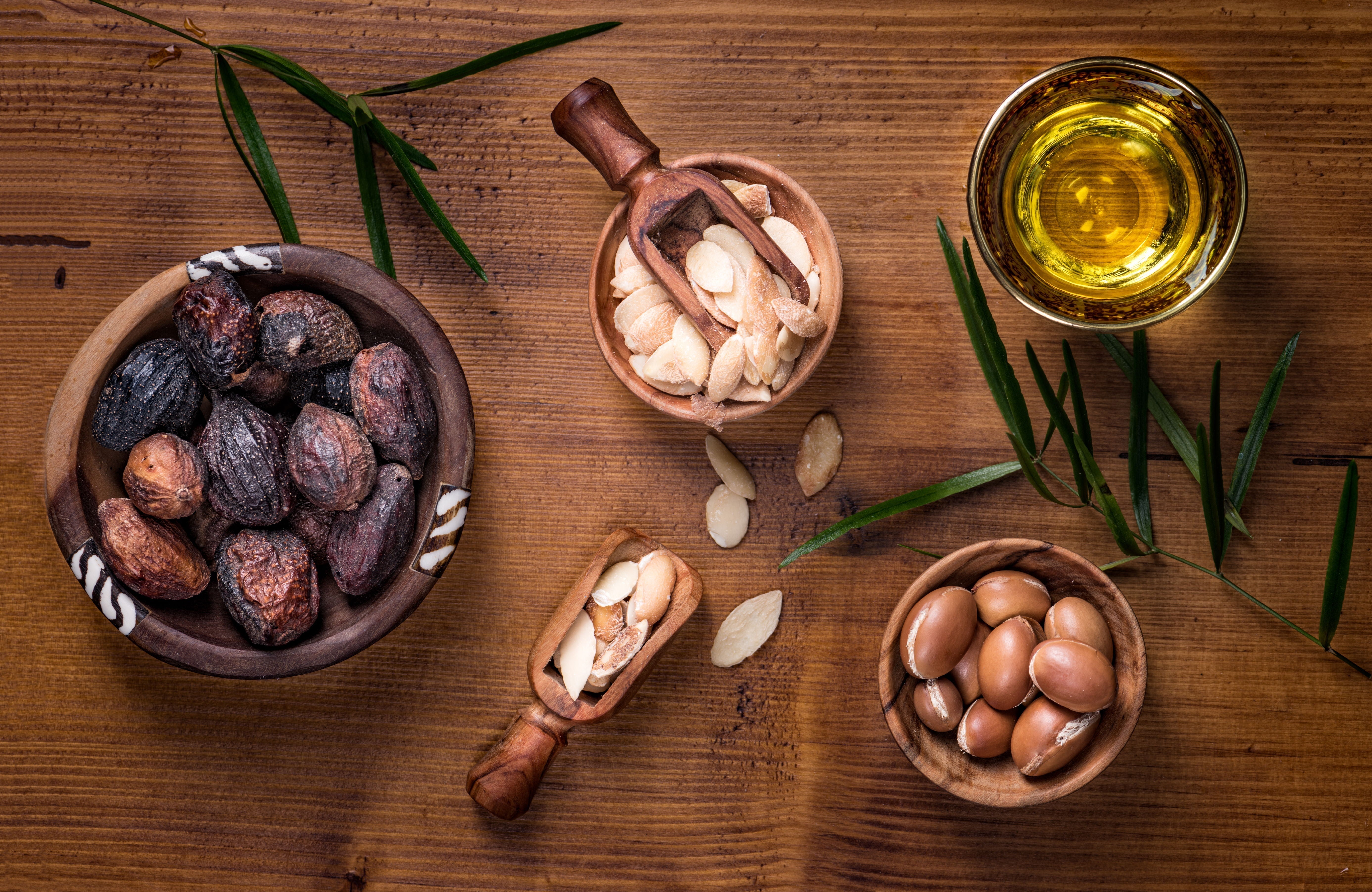
Carrier oils are the unsung heroes of every beard oil. They make up roughly 90% of the formula, do the actual moisturizing work, and determine how the product feels on your skin. Get the carrier oils wrong and the rest of the formula is wasted.
The best blends mix two or three carrier oils to balance absorption, weight, and nutrient profile. Here are the ones worth looking for:
| Carrier Oil | Why It Matters |
|---|---|
| Jojoba Oil | Mimics natural skin sebum — absorbs fast, won’t clog pores |
| Argan Oil | Rich in Vitamin E and fatty acids; softens coarse hair |
| Sweet Almond Oil | Gentle moisturizer that calms irritation |
| Castor Oil | Contains ricinoleic acid — soothes skin and supports growth |
| Grapeseed Oil | Lightweight — ideal for oily or acne-prone skin |
| Hemp Seed Oil | Highest concentration of essential fatty acids |
| Avocado Oil | Deeply hydrating, non-comedogenic, plumps coarse beards |
Essential Oils - Where Scent Meets Function
Essential oils aren’t just there to make your beard smell good. They’re concentrated plant extracts that bring targeted benefits — antibacterial protection, skin-soothing action, even mild stimulation for hair follicles. They also build the scent profile of your oil.
Every essential oil falls into one of three categories: top notes hit first and fade fast, middle notes define the body of the scent, and base notes anchor everything with depth that lasts on skin. A well-crafted beard oil layers all three.
| Note Type | Examples | What They Do |
|---|---|---|
| Top Notes | Lavender, Eucalyptus, Lemon, Bergamot | Bright and fresh; calm irritation, fight beardruff |
| Middle Notes | Tea Tree, Rosemary, Sage | Antibacterial, stimulate follicles, soothe itch |
| Base Notes | Cedarwood, Sandalwood, Peppermint, Patchouli | Deep and lasting; circulation, cooling, regeneration |
One non-negotiable rule: essential oils must always be diluted in carrier oils. Applied raw, they irritate - sometimes badly. That’s why balanced ratios matter as much as ingredient choice.
Growth-Supporting Actives
Beyond the standard carrier and essential oils, certain active ingredients show up in premium formulas because they target beard density and follicle health specifically. Biotin (Vitamin B7) supports keratin production, which builds the structural protein of hair. Copper peptides are small molecular chains that fortify follicles and reduce inflammation at the root.
Ginseng and nettle extract have been used for generations as natural growth tonics. Basil extract has shown some ability to stimulate follicles when applied topically. And ricinoleic acid - the active compound in castor oil - inhibits PGD2, a molecule linked to hair loss.
None of these will override genetics. But they create a healthier environment for every hair you can grow.
Vitamins That Pull Double Duty
Two vitamins quietly do most of the maintenance work in a quality beard oil. Vitamin E is the big one - an antioxidant that protects both your skin and the oils in the bottle from oxidation. It reduces inflammation, helps fade scarring, and extends the shelf life of the product itself.
Vitamin C plays a similar role: slowing oxidation, brightening the skin, and contributing to subtle healing. When you see either on a label, that’s a sign the brand chose ingredients that work hard in more than one way.
Red Flags - What to Avoid
Not every “natural” label tells the truth. A few things should make you put a bottle back on the shelf:
• Mineral oil as a base - heavy, cheap, clogs pores
• Synthetic fragrance at the top of the list - usually undisclosed irritants
• Alcohol as a primary ingredient - dries out skin and hair
• Parabens - preservatives linked to hormone disruption
• No carrier oil listed first - likely all filler, no real foundation
If the ingredients list is short, transparent, and recognizable, you’re on the right track - the same standard we hold for our own beard care lineup.
How to Pick the Right Ingredients for Your Beard
The right blend depends on your beard’s stage, your skin type, and even your climate. There’s no universal best - only the best fit for where you are right now.
For new growth and early-stage beards, prioritize ingredients that calm the early-growth itch - tea tree, peppermint, and lighter carrier oils like jojoba or grapeseed.
For patchy or thin beards, look for formulas with biotin, copper peptides, or growth-supportive plant extracts like rosemary and ginseng. These won’t force growth where genetics say no, but they’ll help every existing follicle perform at its best.
For full, coarse, or long beards, you’ll want richer carriers - argan, almond, and avocado - that soften wiry hair and reduce split ends.
For sensitive or oily skin, lean toward jojoba and grapeseed bases with minimal fragrance load. Pair your beard routine with consistent skin care to keep the surface underneath clean and balanced.
Frequently Asked Questions
How can I tell if a beard oil is mostly filler?
Look at the ingredient list. Carrier oils should be listed first (largest volume). If you see mineral oil, synthetic fragrance, or unrecognizable chemical names leading the list, it’s mostly filler dressed up for the shelf.
Do essential oils actually grow hair?
Some - like rosemary and peppermint - support a better growth environment by improving circulation. They don’t override genetics, but they help every follicle do its job.
Can beard oil ingredients trigger allergies?
Yes. Nut-based oils (like sweet almond) and concentrated essential oils can cause reactions. Always patch test 48 hours before regular use.
Should I switch oils by season?
Yes - lighter blends in summer, richer formulas in winter. Your skin’s needs shift with humidity and temperature.
Why does my beard oil look cloudy or separated?
Natural oils can shift with temperature and time. Shake well before use and store in a cool, dark place to keep the blend stable.

Share:
Sea Salt Spray vs Texture Powder: Which One Belongs in Your Hair Routine?
Beard Oil vs Beard Balm: Which One Does Your Beard Actually Need?